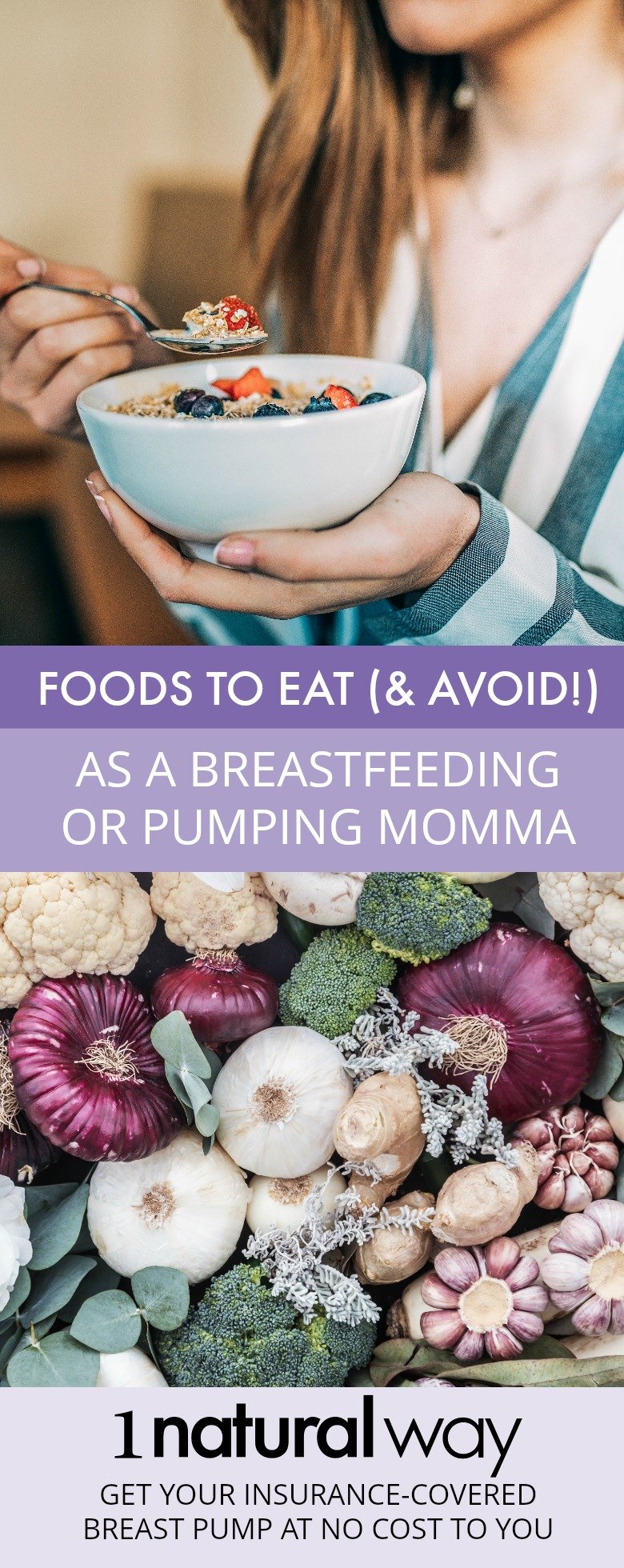
If you're wondering which foods to eat (and avoid) as a breastfeeding mom, the short answer is this: stick with a well-rounded diet full of whole foods, whole foods high in protein and dense with nutrients, healthy fats, and plenty of fluids. At the same time, be mindful of certain fish, caffeine, alcohol, and anything that seems to bother your baby.
You've just made it through pregnancy and delivery, and now all eyes (and tiny hands) are on you again...this time at 3 a.m. while you're balancing a newborn and a cold cup of coffee. Postpartum nutrition often gets pushed aside, but what you eat while breastfeeding can directly impact your energy levels, your milk supply, and your baby's comfort.
This article breaks down the practical, no-fluff guidance on building a solid breastfeeding diet plan that supports both you and your baby.
Foods That Boost Nutrition While Breastfeeding
Breastfeeding uses a lot of energy and nutrients. A balanced mix of whole foods can help your body keep up with the demands of producing milk while helping you stay focused and feel less depleted.
The best foods for lactation tend to be simple, nutrient-dense, and easy to work into your meals. You don't need anything fancy to support your supply; just real food that fuels your body and supports recovery.
Some food categories to build your plate around include:
Whole grains like oatmeal, brown rice, and whole-wheat bread for steady energy
Lean proteins such as foods high in protein including meat, eggs, fish, dairy, beans, nuts, and seeds. Dairy products like milk, yogurt, and cheese for calcium and B vitamins.
Nuts, seeds and fats. Choose grass-fed dairy options, when possible, to boost DHA intake.
Fresh fruits and vegetables for vitamin C, potassium, and antioxidants. The richer the color of produce often indicates higher levels of antioxidants present.
Water, broths, and unsweetened herbal teas to support hydration. Bone broth can be especially helpful for intaking increased protein (bone broths often supply ~10g protein per cup) while also providing moms with extra collagen and gelatin to support postpartum healing.
Try eating every 3-4 hours to avoid energy crashes. Breastfeeding moms often need about 330-400 extra calories per day, according to the CDC, though this can vary based on BMI, activity level, and metabolic rate. "Focusing on eating nutrient dense foods 5-6 times throughout the day Is the best way to meet both calorie and nutrient needs."
What Foods Should Breastfeeding Moms Avoid?
Most foods are safe while breastfeeding. That said, some do carry risks and are worth avoiding or limiting.
Fish that are high in mercury, like king mackerel, swordfish, marlin, and orange roughy, can be harmful to your baby's developing nervous system. Stick with safer options like sardines, scallops, and other shellfish. Monterey Bay Seafood Watch can be used as a resource for best marine options.
Too much caffeine might make your baby fussy or keep them from settling. Try to keep your intake under 300 mg a day, which is about two cups of coffee.
Alcohol passes into breast milk, so you'll want to time any drinks carefully. In most cases, waiting at least 2-3 hours per drink before nursing again is recommended.
Some foods to avoid when nursing include:
Artificial sweeteners like saccharin, which may not be safe in large amounts
Packaged snacks or frozen meals that are high in sodium or trans fats
Foods with long ingredient lists full of additives and dyes
Known allergens like cow's milk, soy, or peanuts, if your baby shows a clear reaction
How Can I Tell If Food Is Affecting My Baby?
Some babies react to foods their parents eat, though it's less common than people think. If your baby seems unusually fussy or has physical symptoms after feedings, food sensitivity might be a reason to explore.
Watch for signs like:
Skin rashes or hives
Gas or bloating
Diarrhea or mucus in stools
Congestion
Spitting up more than usual
Trouble sleeping
Keep a food journal for a week or two to help spot patterns. Write down what you eat, how your baby acts, and any symptoms. That can make it easier to connect the dots.
If something stands out, try removing that food from your diet for two weeks. If symptoms improve, wait another week and slowly add the food back in.
This kind of elimination test works best when done one food at a time. For more serious concerns, working with a professional can be a smart step. At 1 Natural Way, moms can access virtual consults with lactation and nutrition experts who offer support in real time.
Special Considerations & Moderation Tips
Certain foods might cause reactions in some babies but not others. You don't need to avoid these foods across the board unless your baby has symptoms.
Spicy meals, garlic, onions, or gas-producing foods like cabbage or beans usually don't affect milk or cause problems. That said, you can scale back if you think one of them is bothering your baby.
A few herbs, like peppermint, sage, or parsley, can slightly reduce milk supply in larger amounts. These are usually fine in small doses like tea or seasoning, though it's smart to be aware.
Yes. You will need to be intentional to incorporate adequate protein, calcium, and iron into your daily dietary intake. DHA and B-12 will need to come from supplements if they follow a vegan diet. Breastfeeding moms who prefer plant-based diets are recommended to work personally with a nutrition professional to ensure that there are no significant gaps in nutrient intake for either mom or baby.
No. Though dairy foods provide the most bioavailable dietary source of calcium as well as offering good sources of other nutrients including phosphorus and vitamin D, not everyone can tolerate dairy foods. Calcium can be obtained from leafy green vegetables, nuts, and fortified non-dairy milk. Moms that avoid dairy completely would likely benefit from a daily Calcium and Vitamin D3 supplement.
Some moms find that oats, flaxseed, and brewer's yeast help. Still, the most effective steps tend to be frequent feeding, plenty of rest, and staying hydrated.
Learn More About Foods To Eat (And Avoid) As A Breastfeeding Mom
Knowing the right foods to eat (and avoid) as a breastfeeding mom helps you stay energized, reduce fussiness in your baby, and protect your milk supply. Smart, simple nutrition really does make a difference.
At 1 Natural Way, we're here to help with more than just advice. We offer fast, reliable access to insurance-covered breast pumps, expert lactation support, and ongoing maternal care through our in-house telehealth team. We also provide clear pricing, HIPAA-compliant data privacy, and a stress-free moms first program for those without coverage.
Laura Curcio is a Registered Dietitian with a passion for empowering others through nutrition education to live their healthiest lives. Laura Curcio is a Registered Dietitian with a passion for empowering others through nutrition education to live their healthiest lives. Laura believes that there are often several complex and individualized factors in need of consideration when designing a healthy lifestyle plan and she enjoys helping others illuminate these elements and provide them with antidotes. Laura loves spending time with her family, practicing yoga and Pilates, learning about health, beauty, and fashion, and being outside in nature.